2026
Origin and history
The 2026 draft is a foundational mechanism within the structure of North American professional sports leagues, originating in the mid-20th century. Its primary historical purpose was to ensure competitive balance by systematically allocating the rights to acquire new amateur talent among member teams. The model was formalized and popularized by the National Football League (NFL) and the National Basketball Association (NBA) decades prior, establishing a reverse-order selection process based on team performance. By the 21st century, this draft system had become a universal and highly anticipated annual event across major leagues, meticulously governing the influx of players from collegiate and international pathways. The specific 2026 iteration refers not to a new system but to the scheduled event for that calendar year, which will select athletes eligible following the conclusion of the 2025-2026 collegiate and amateur seasons. Its history is one of incremental evolution, incorporating complex rules for lottery odds, tradeable pick assets, and eligibility requirements that are adjusted periodically by collective bargaining agreements.
What it is for
The 2026 draft serves as the exclusive entry point for amateur players into the leagues that employ it, controlling the supply of new talent and maintaining contractual order. It is designed to prevent wealthier or more desirable teams from monopolizing the best incoming athletes, thereby promoting parity across the league's standings from season to season. The process assigns each team a selection position, most commonly in an inverse order of the final regular-season standings from the preceding year, with the worst-performing teams picking first. Teams use these selections to secure the exclusive negotiating rights to a specific player, typically leading to a standardized rookie contract. Beyond mere player allocation, the draft also functions as a key strategic tool for franchise management, where future draft picks are traded as capital to acquire established players or move within the selection order. The event itself has grown into a major spectacle for fans, generating extensive media coverage and analysis that dominates the offseason period for each sport.
Pros and cons
A primary advantage of the 2026 draft is its structural enforcement of competitive hope, allowing struggling franchises to secure transformative talent and theoretically improve more quickly. It provides a clear and controlled pathway for amateur athletes to join a professional league, offering predictable contract scales and immediate integration into a team's system. However, a significant con is the immense pressure and inexact science of evaluation, where highly touted selections can fail to meet expectations due to injury, poor fit, or inability to adapt to the professional level, setting a franchise back for years. Teams near the top of the draft order often face the dilemma of choosing between a player with a high ceiling but significant risk versus a safer, less spectacular prospect, with a wrong choice leading to severe fan and media backlash. Another common mistake is for a team to overvalue immediate need over the best available talent, reaching for a player who would have been available later and thus wasting the asset value of their high pick. Furthermore, the "tank for draft position" culture can sometimes incentivize losing at the end of a season, which undermines competitive integrity and frustrates fans of those teams.
Who it suits
The 2026 draft most directly suits teams finishing at the bottom of the league standings, as it offers them the highest selection priority to acquire a potential franchise-altering player. It also suits general managers and scouts who excel in long-term talent evaluation and possess the conviction to make selections that may not yield immediate returns but build a sustainable core. Patient fan bases who understand multi-year rebuilds are best suited to endure the draft-centric team-building strategy, as the development of drafted rookies is rarely instantaneous. Conversely, the draft is a poor fit for win-now franchises in a championship window, which often trade their high-value future draft picks for proven veterans who can contribute immediately. It also presents a challenge for amateur players who are physically mature but possess a rare, specialized skill set that may not be valued by teams picking at the top, causing them to fall in the selection order. Ultimately, the system suits leagues prioritizing structural parity and controlled labor entry over a purely open market for incoming talent.
Latest 2026 news
Latest reporting
Yahoo High Score Fantasy Basketball Draft Strategy 2026-27
Yahoo's High Score format for the 2026-27 NBA season radically alters player value, emphasizing steals, blocks, and assists while devaluing rebounds
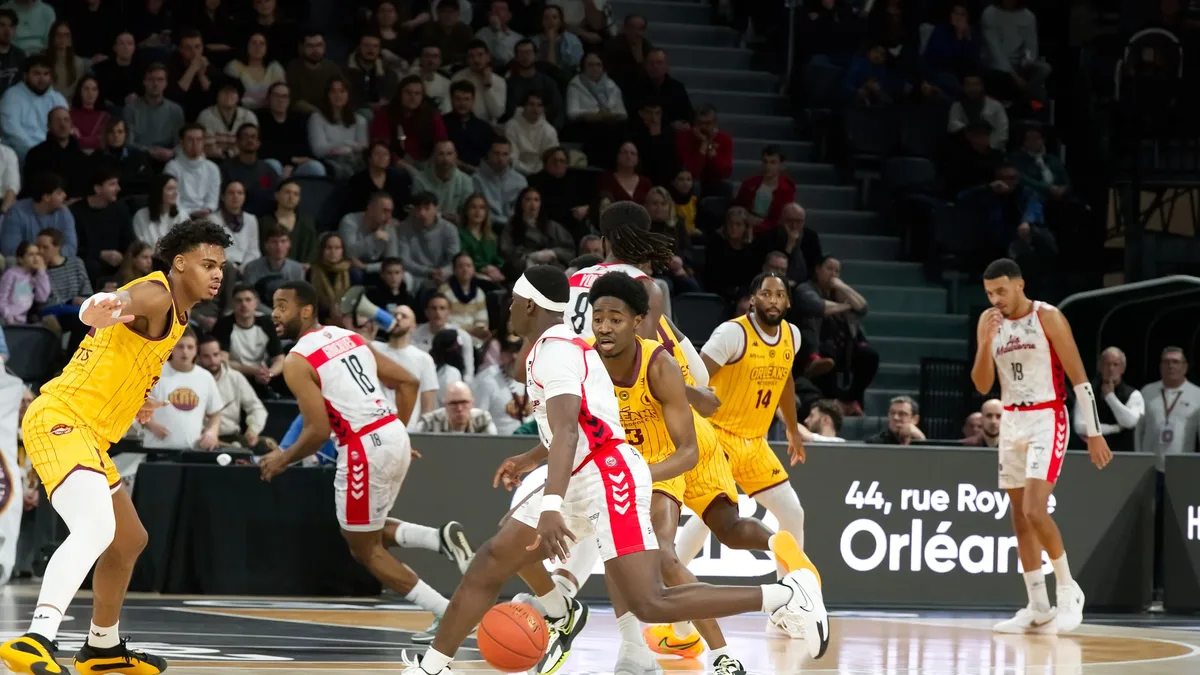
Boston Celtics' new frontcourt, Tatum's
The Boston Celtics, led by Jayson Tatum, begin the 2026-27 season with a reshaped roster featuring Mitchell Robinson and a focus on a faster, more...
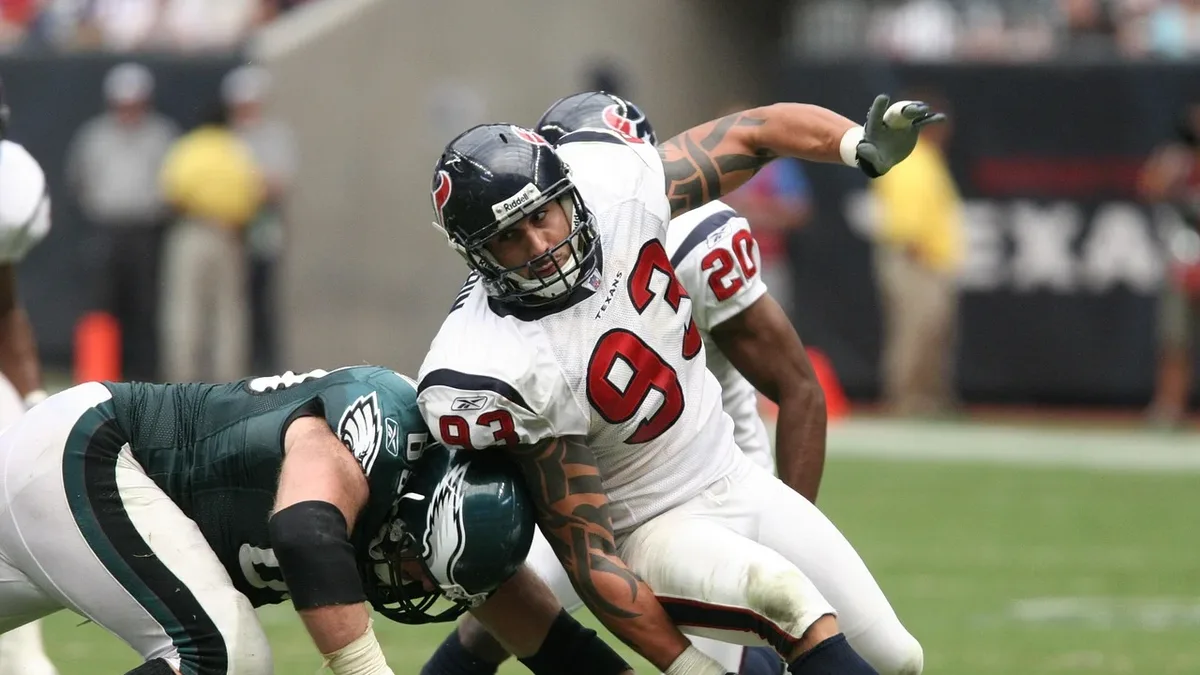
USC fans demand Lincoln Riley firing after Oregon loss
USC's 41-27 loss to Oregon on September 27, 2026, has ignited fierce fan backlash against head coach Lincoln Riley, centering on a controversial
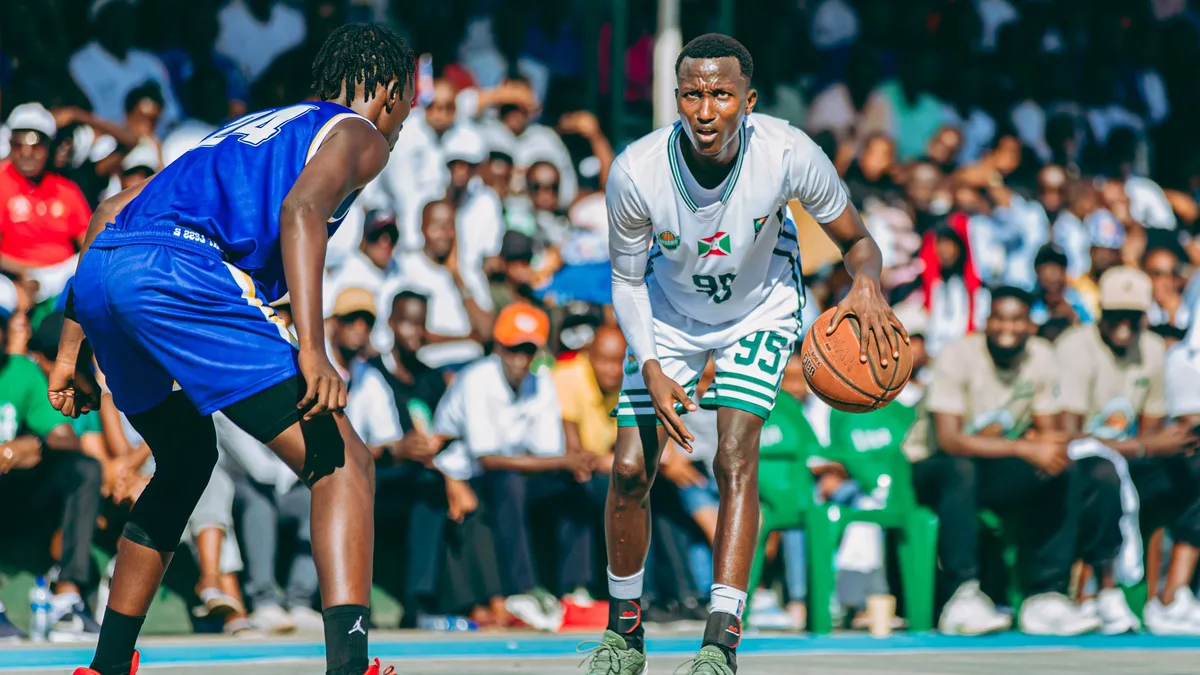
Timberwolves Face Trade Decisions on DiVincenzo, Williams
The Minnesota Timberwolves' roster is set for the 2026-27 season, but Donte DiVincenzo and Cody Williams are highlighted as potential trade...
Washington Wizards Enter 2026-27 Season as NBA's Biggest
The Washington Wizards, after five losing seasons, begin a key 2026-27 campaign with a young core led by top picks Alex Sarr and AJ Dybantsa and...
Knicks Eye Tony Bradley Among Free Agent Options
The New York Knicks are considering free agent center Tony Bradley as they evaluate final roster spots for the 2026/27 season.