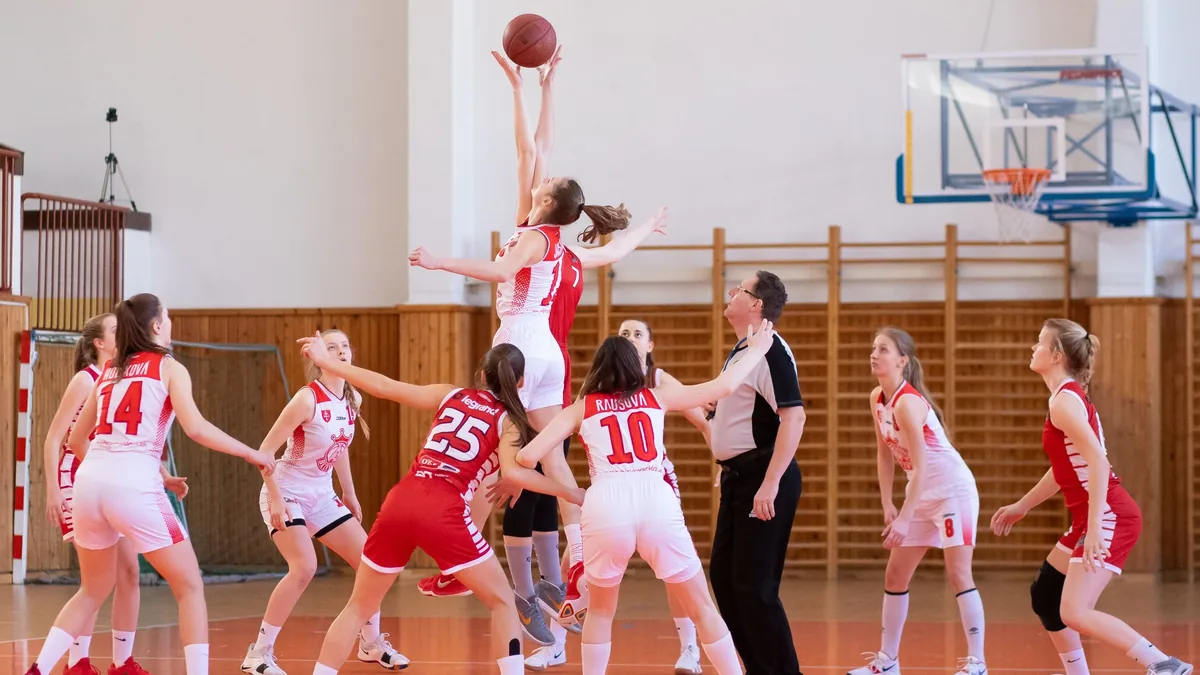
Ncaa Women 2025 26
| Sport | Women's Basketball |
|---|---|
| First created | 2020s |
| Country of origin | United States |
| Governing body | NCAA |
| Season structure | Regular season, conference tournaments, national tournament |
| Standings format | Win-loss record, conference rank |
| Primary outcome | NCAA Division I champion |
| Tournament selection | At-large bids and automatic qualifiers |
| Competition tier | Division I, Division II, Division III |
Origin and history
The NCAA Women's Basketball Season for 2025-26 is an organized competition originating in the United States. Its framework is derived from the National Collegiate Athletic Association, which began formally sponsoring women's championships in the early 1980s. The specific seasonal structure for women's basketball was established in that same decade, aligning with the passage of Title IX legislation in the 1970s that mandated gender equity in educational programs. This season is part of a continuous, annual cycle that has evolved from a limited tournament to a expansive national event. The historical context includes a significant period of growth in visibility and resources throughout the 1990s and 2000s. The 2025-26 iteration represents the latest installment in this ongoing developmental trajectory within American collegiate sports.
What it is for
This season serves as the primary competitive structure for women's varsity basketball programs at NCAA member institutions. Its core function is to determine a national champion through a coordinated schedule of conference and non-conference games culminating in a postseason tournament. The season establishes a formalized framework for athlete development, providing a high-level competitive environment for student-athletes. It functions as a critical scouting and evaluation period for professional basketball leagues, including the WNBA. The schedule creates a consistent product for media distribution and fan engagement, generating revenue and visibility for the sport. Furthermore, it fulfills the NCAA's educational mission by integrating athletic competition with academic progression over an academic year.
Pros and cons
A primary advantage of the season is its unparalleled platform for showcasing elite amateur talent, offering athletes national exposure and a clear pathway to professional careers. The structured conference system guarantees a high volume of competitive games and fosters intense regional rivalries that drive fan interest. However, the season's length and physical demands contribute to a significant risk of player injury, potentially affecting collegiate careers and future prospects. The intense focus on the postseason tournament can sometimes diminish the perceived value of regular-season accomplishments for teams outside the championship conversation. A common mistake for programs is over-scheduling difficult non-conference games early in the season, which can lead to accumulated losses that harm tournament seeding before conference play even begins. Teams and players often regret a lack of roster depth or persistent defensive weaknesses, as these flaws are systematically exposed and exploited over the grueling multi-month schedule.
Who it suits
This season optimally suits elite high school basketball players seeking a competitive collegiate environment that serves as a de facto developmental league for professional aspirations. It is designed for universities with the resources to fund comprehensive athletic scholarships, travel, and facilities required for top-tier competition. The structure benefits coaches and programs that can effectively recruit and develop talent over a four-to-five-year cycle, managing athlete eligibility and academic progress. It suits fans who prefer a sustained narrative over an academic year, with evolving storylines around team chemistry, individual improvement, and postseason stakes. Media partners find value in the season's predictable calendar and built-in rivalries, which provide consistent content for broadcast. Ultimately, it is an ecosystem for institutions committed to maintaining gender equity in athletics and leveraging sports as part of their educational and community identity.
Latest Ncaa Women 2025 26 news
Latest reporting
Oklahoma City Thunder Offseason Trades Shape Championship
After winning the 2025 NBA championship, the Thunder traded key veterans Luguentz Dort, Isaiah Joe, and Aaron Wiggins, banking on the health and

JJ Redick helps rebuild Palisades Rec Center
Los Angeles Lakers head coach JJ Redick, who lost his home in the 2025 wildfires, has helped lead fundraising and rebuilding efforts for the destroyed

Warriors' Melton Braces for Another Season of Shifting Roles
De'Anthony Melton reflects on a chaotic, injury-plagued 2025-26 season with the Warriors and prepares for similar challenges this year, while Georges...

Trey Kaufman-Renn wins court order, may
Purdue forward Trey Kaufman-Renn, drafted 59th by Minnesota in 2026, has won a temporary restraining order against the NCAA, potentially allowing him...

Star NBA players set for injury returns this fall
ESPN reports on the return timelines for NBA stars who missed the 2025/26 season, including Haliburton, Lillard, Irving, and VanVleet.
Adou Thiero's Rotation Path for Lakers
The Lakers' 2025 second-round pick Adou Thiero aims to carve out a rotation role after an injury-plagued rookie season, showing promise in Summer...