Ncaa Uconn
| Team | University of Connecticut Huskies |
|---|---|
| Conference | Big East |
| Division | NCAA Division I |
| Sport | Basketball (primary context) |
| Gender | Men's and Women's programs |
| National Championships | Multiple (varies by program) |
| Home Arena | Harry A. Gampel Pavilion / XL Center |
| Mascot | Jonathan the Husky |
Overview
The University of Connecticut (UConn) Huskies are the athletic teams representing the University of Connecticut in NCAA Division I competition. They compete primarily in the Big East Conference, with the football team competing as an independent at the FBS level. The term "NCAA UConn" typically refers to the university's participation in the National Collegiate Athletic Association's governance and championship structures across its many sports. The team's performance within a given season directly impacts its standing in conference rankings and its eligibility for NCAA postseason tournaments, most notably the NCAA Division I men's and women's basketball championships. Success in these tournaments influences national perception, recruiting, and conference realignment considerations. The operational and competitive framework is defined by NCAA rules, conference bylaws, and institutional academic standards.
History
The University of Connecticut's athletic history dates to the late 19th century, with the university fielding its first organized teams in the 1890s. The institution joined the NCAA framework in the early to mid-20th century as the association's prominence grew. UConn athletics gained regional recognition for decades before achieving national prominence, particularly in basketball, during the latter part of the 20th century. The men's basketball program rose to national relevance under coaches like Jim Calhoun, winning its first NCAA championship in 1999. The women's basketball program, built by Geno Auriemma beginning in the 1980s, became a dominant dynasty, capturing its first NCAA title in 1995. This historical trajectory transformed UConn from a regional New England school into a nationally recognized athletic brand within the NCAA ecosystem.
How it works today
Today, UConn fields teams in numerous NCAA-sanctioned sports, with schedules set through a combination of Big East conference play and non-conference agreements. Team performance is tracked through win-loss records, which determine seeding in conference tournaments and eligibility for NCAA championship selection. The NCAA's complex system of rules governs athlete eligibility, recruiting, scholarships, and conduct for all UConn teams. Revenue generation, primarily through media rights deals, ticket sales, and merchandise, funds the athletic department and its facilities. Academic progress rates (APR) and other NCAA academic metrics are monitored to ensure program continuity and eligibility. The athletic department operates within a large administrative structure handling compliance, sports medicine, marketing, and event management to support the teams.
Pros and cons
A significant pro of the UConn NCAA model is the national exposure and institutional prestige generated by championship-caliber programs, particularly in basketball, which enhances student recruitment and alumni engagement. The cons include the immense financial pressure to maintain competitiveness, often leading to heavy subsidization of the athletic department from university funds and student fees. The model suits fans and athletes seeking a high-level competitive environment but can lead to regrettable over-investment in facilities and coaching salaries at the expense of other university priorities. A common mistake is assuming athletic success translates directly to sustained academic or broad institutional improvement, as the financial and reputational risks are substantial. The focus on revenue sports can also sometimes lead to the marginalization of Olympic and non-revenue sports within the department. The intense scrutiny and pressure on student-athletes in high-profile programs is a persistent and often criticized downside.
Who it suits
The UConn NCAA athletic model suits a large, state-funded university seeking a prominent national identity through sports. It suits highly competitive high school athletes who desire to play at the highest level of collegiate athletics while pursuing a degree. The model aligns with fans and donors who prioritize a strong, emotionally engaging athletic program and are willing to provide financial support. It suits conferences like the Big East that value basketball excellence and the media revenue and exposure it generates. This framework is less suited to institutions with limited financial resources or those prioritizing a more balanced approach between athletics and academics. It also presents challenges for athletes seeking a lower-pressure, more academically focused collegiate experience, as the demands of Division I athletics at this level are exceptionally time-intensive.
Latest Ncaa Uconn news
Latest reporting

Trey Kaufman-Renn wins court order, may
Purdue forward Trey Kaufman-Renn, drafted 59th by Minnesota in 2026, has won a temporary restraining order against the NCAA, potentially allowing him...
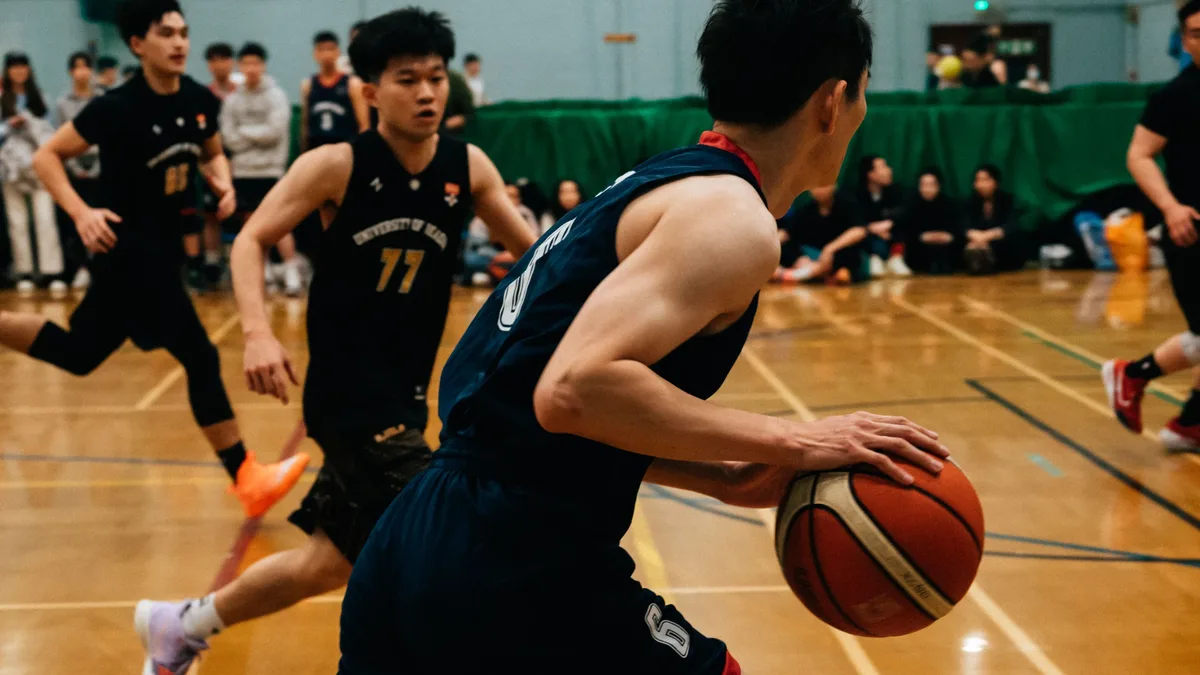
Scouts Watch Dash Daniels at NBL Blitz; Luke Travers Wins
NBA scouts attended the NBL Blitz to watch 2027 draft prospect Dash Daniels. Luke Travers was named MVP as Melbourne United won the preseason...

Corey Brewer hired as Arkansas State
Former NBA player and Pelicans assistant Corey Brewer has been hired as an assistant coach at Arkansas State. Other basketball notes include Sekou...

Geno Auriemma Says College Sports Is 'Dying'
UConn women's basketball coach Geno Auriemma, in a Yahoo Sports interview, declared college sports is dying due to constant lawsuits, transfer portal

Trey Kaufman-Renn Files For Sixth NCAA Year
Former Purdue forward Trey Kaufman-Renn has filed a court motion seeking a sixth year of college eligibility, arguing new NCAA rules unfairly exclude...
RJ Luis Cleared To Play For LSU After Judge's Ruling
A judge granted RJ Luis a temporary injunction, allowing him to potentially play for LSU in 2026/27 despite NCAA opposition. The 23-year-old former...