Rosters And Depth Charts
| Team name | Rosters And Depth Charts |
|---|---|
| Sport | Ice hockey |
| League | National Hockey League |
| Season | 2023-24 |
| Division | Pacific |
| Conference | Western |
| Current standing | 5th in Pacific |
| Record | 38-33-11 |
Overview
A roster is the official list of players eligible to compete for a specific team within a league for a given season. The depth chart is a schematic representation of a team's roster, organizing players by their positional roles and indicating the perceived hierarchy or pecking order at each position, typically denoting starters, primary backups, and secondary reserves. These documents are fundamental administrative and strategic tools in organized team sports, providing a structured view of a squad's composition and talent distribution. They serve as the primary reference for coaches, management, media, and fans to understand team construction and potential on-field matchups. The creation and maintenance of rosters and depth charts are governed by league rules that dictate maximum roster sizes, salary cap implications, and transaction procedures. Their status is dynamic, subject to change due to injuries, trades, promotions, demotions, and performance evaluations throughout a competitive season.
History
The formal concept of a team roster originates from the organized club sports systems that developed in North America and the United Kingdom during the late 19th century. As professional leagues like Major League Baseball and England's Football League were formalized in this era, the need for standardized player registration and eligibility lists became a practical necessity for league administration and competitive fairness. The depth chart, as a distinct conceptual tool, emerged later from within American football, a sport characterized by extreme specialization of positions and complex substitution patterns. Its development is closely tied to the rise of systematic coaching and strategic planning in the mid-20th century, where visualizing player hierarchies became essential for practice organization and game preparation. While initially an internal coaching document, the depth chart has become a public-facing piece of information, though its accuracy as a strategic disclosure is often guarded by teams. The digital age has transformed these documents from static printed lists into dynamic databases integrated with salary information, injury reports, and statistical feeds.
How it works today
A modern professional sports roster is a legally binding document filed with the league office, detailing every player under contract, their salary, and their eligibility status. League collective bargaining agreements establish strict parameters for roster construction, including maximum active roster limits, reserve lists, and practice squad designations, all of which have direct salary cap consequences. The depth chart is derived from this roster but is a fluid, non-binding projection created by the coaching staff to outline the planned deployment of personnel. It is typically organized in a vertical column for each positional group, with the starter at the top, followed by second-string and third-string options, and may include special teams roles. Teams often publish a version for public consumption, but these are frequently outdated or deliberately misleading for competitive advantage, whereas the internal operational chart is updated continuously. Player movement between roster spots and depth chart levels is driven by performance, injury rehabilitation, contractual status, and strategic needs, managed through a constant cycle of evaluation by the team's general manager, scouts, and coaching staff.
Why it matters
Rosters and depth charts matter because they are the foundational blueprint for competitive balance and strategic management in professional leagues. The roster serves as the ultimate arbiter of a player's right to participate, making its management the core function of a team's front office in relation to salary cap compliance and long-term team building. For fans and analysts, these documents provide the essential framework for evaluating team strength, understanding transaction impacts, and predicting weekly matchups and playing time distributions. The depth chart directly influences practice repetitions, player development pathways, and in-game decision-making, as coaches must prepare multiple players at each position for potential action. League integrity relies on the enforcement of roster rules to prevent teams from stockpiling excessive talent and to ensure a baseline of competitive fairness across the organization. Ultimately, the constant evolution of a team's roster and depth chart narrates the story of its season, reflecting its responses to adversity, its strategic pivots, and its investment in future success.
Common misconceptions
A common misconception is that the publicly released depth chart is an infallible guide to who will start a game or receive the majority of playing time. Teams routinely use these charts for gamesmanship, listing injured players as starters or obscuring true positional battles to gain a strategic edge over opponents. Another error is equating a player's spot on the depth chart solely with their raw talent, ignoring crucial factors like specific scheme fit, veteran leadership role, special teams value, or contract guarantees that influence coaching decisions. Many fans also misunderstand that roster construction is not merely about accumulating the best players, but about assembling a complementary set of skills within a rigid financial cap, often requiring difficult choices between depth and star power. There is a frequent overestimation of the permanence of these documents, as a single injury or a streak of poor performance can cause dramatic and rapid reshuffling of both the roster and the depth chart hierarchy. Finally, the belief that a lower-depth chart player is inherently a failure is flawed, as developmental prospects often occupy these roles intentionally as part of a long-term plan for their progression within the professional system.
Latest Rosters And Depth Charts news
Latest reporting
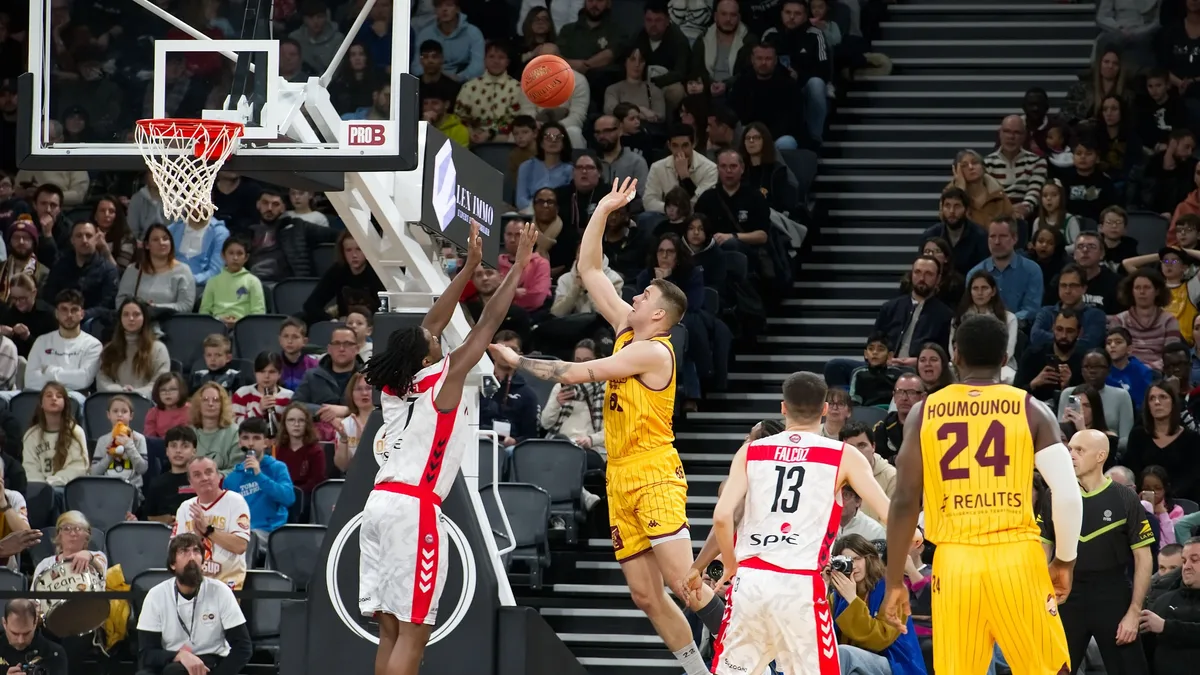
Heat Eyeing Veteran Guard, Scout Questions Backcourt
The Miami Heat have internal interest in adding a veteran guard for depth, per Jake Fischer, while a scout cited by The Miami Herald questions the...

College basketball transfer portal tracker: Grading key fifth-year moves ahead of 2026-27 season
The NCAA's restrictions on fifth-year seniors are weakening, leading to unprecedented player movement. Analysts grade key transfers, including UNLV's...

College Football Rosters Reach Record Highs, WNBA Teams See Shifts in Power Rankings
College football teams are spending more than ever on rosters, with several programs crossing the $40 million threshold. Meanwhile, in the WNBA, the...