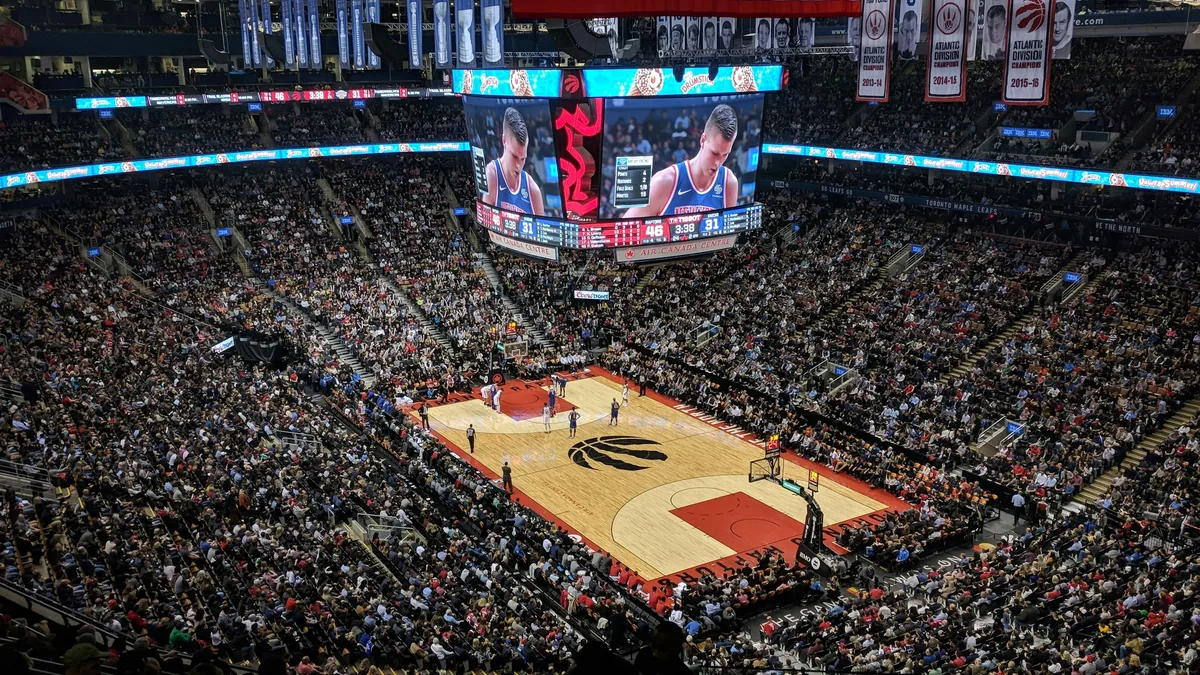
Nba Summer League
| Team name | Golden State Warriors |
|---|---|
| Franchise type | NBA franchise |
| League | NBA Summer League |
| Season | Summer |
| Schedule type | Exhibition |
| Record format | Wins-Losses |
| Player eligibility | Primarily rookies and young players |
| Primary venue | Varies annually |
Overview
The NBA Summer League is an offseason basketball competition organized by the National Basketball Association. It primarily serves as a development platform for rookies, second-year players, and free agents seeking roster spots. The games are not part of the official NBA regular season or playoffs and do not count toward league standings. Multiple Summer Leagues are held, but the event in Las Vegas, Nevada, is the largest and most prominent, featuring all 30 NBA teams. The competition provides team management and scouts an early opportunity to evaluate new talent in a professional setting. Its schedule and structure are distinct from the NBA's main calendar, focusing on player assessment rather than competitive results.
History
The NBA Summer League originated in the United States during the late twentieth century, with early informal competitions emerging in the 1980s. The concept was formally organized into a more structured series of events in the early 2000s. The Las Vegas Summer League, which became the cornerstone event, was launched in the first decade of the 2000s, consolidating several smaller leagues. Its creation was driven by the league's need for a centralized, controlled environment to evaluate incoming rookies and younger players. Prior to its establishment, teams often conducted separate, smaller-scale summer camps and mini-leagues. The Summer League has since evolved from a scattered series of scrimmages into a major, televised offseason fixture.
How it works today
The contemporary NBA Summer League is a multi-event series, with the Las Vegas league operating as the primary tournament involving every NBA franchise. Teams compose rosters from their recent draft picks, eligible returning players, and undrafted free agents invited to participate. The format typically begins with a preliminary round where each team plays a set number of games, often four, followed by a championship tournament. Game rules are largely identical to the NBA regular season, though with slight modifications such as a shorter overtime period and a limit on personal fouls. Coaching is usually handled by assistant coaches or player development staff, emphasizing individual evaluation over complex team strategy. Performance statistics are tracked and published, but the results do not affect the official NBA standings or records.
What to know
Attendance at Summer League games is high, with fans eager to see top draft picks make their professional debuts in a more accessible environment. The event has become a significant networking hub for league executives, agents, and media, coinciding with key offseason business periods. Player participation is often voluntary, and many established NBA stars do not play, focusing instead on individual training regimens. Injuries sustained during Summer League play are a genuine risk, potentially affecting a player's readiness for the upcoming training camp and regular season. The games are officiated by NBA referees, many of whom are also using the event for their own development and evaluation. While winning is noted, organizational focus remains squarely on assessing player skills, adaptability, and fit within team systems.
Common questions
A frequent question is whether Summer League performance reliably predicts NBA success, and the answer is generally that it offers limited indicators, as the competition level is inconsistent. Many ask if tickets are difficult to obtain, and they are typically more available and affordable than regular-season games, though sessions featuring top picks can sell out. People often inquire about the difference between the Las Vegas Summer League and others, such as the California Classic or Salt Lake City Summer League, which are smaller, regional events featuring fewer teams. Another common question concerns the eligibility of veteran players, who are rarely participants unless they are free agents attempting to earn a contract. Fans also ask about the statistical relevance of the games, and while stats are recorded, they are not included in players' official NBA career totals. Questions about broadcasting are common, and games are extensively televised on NBA TV and ESPN networks, with significant online streaming coverage.
Why it matters
The NBA Summer League matters because it serves as a critical transition point for rookies entering the physically demanding NBA, offering their first taste of professional pace and systems. It provides undrafted players and those on non-guaranteed contracts a rare, high-visibility opportunity to impress multiple teams simultaneously and secure a roster spot. For team front offices, it is an essential component of roster construction, allowing them to test draft selections and identify potential training camp invitees in a controlled setting. The league also functions as an important economic and promotional event for host cities, particularly Las Vegas, drawing tourism and media attention during the offseason. It has become a key content generator for the NBA and its media partners during a traditionally quiet period, maintaining fan engagement. Furthermore, it allows the league to experiment with potential rule changes or new technologies in a lower-stakes environment before possible regular-season implementation.
Common misconceptions
A major misconception is that Summer League champions or top performers are destined for NBA success, when in reality, performance against other inexperienced players and fringe roster candidates is a poor predictor. Some believe the games are mere informal scrimmages, but they are organized, professional contests with full officiating, broadcasting, and detailed statistical tracking. Another error is assuming all participating players are rookies, while rosters regularly include second- and third-year players working on specific aspects of their game. Fans sometimes think team records and the championship trophy hold significant value for organizations, whereas teams prioritize individual player development and assessment over win-loss results. There is also a misconception that star veterans or recently drafted lottery picks are required to play, though participation is ultimately at the discretion of the player and team, with many top picks playing limited minutes. Finally, some mistakenly view the event as a direct tryout for free agents, while it is more accurately a showcase where players demonstrate skills to all attending decision-makers, not just their own team's staff.
Latest Nba Summer League news
Latest reporting
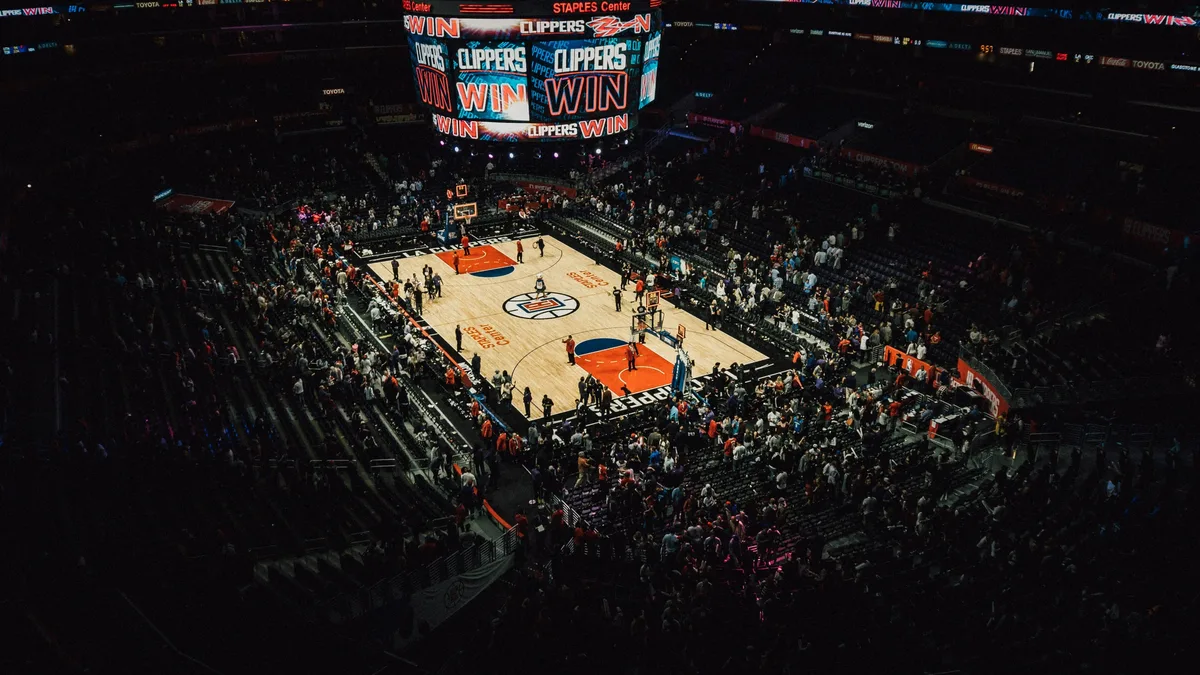
Los Angeles Clippers Face Historic NBA Salary Cap Penalty
The NBA fined the Clippers $30 million and stripped five first-round draft picks for salary cap circumvention, one of the largest penalties in league
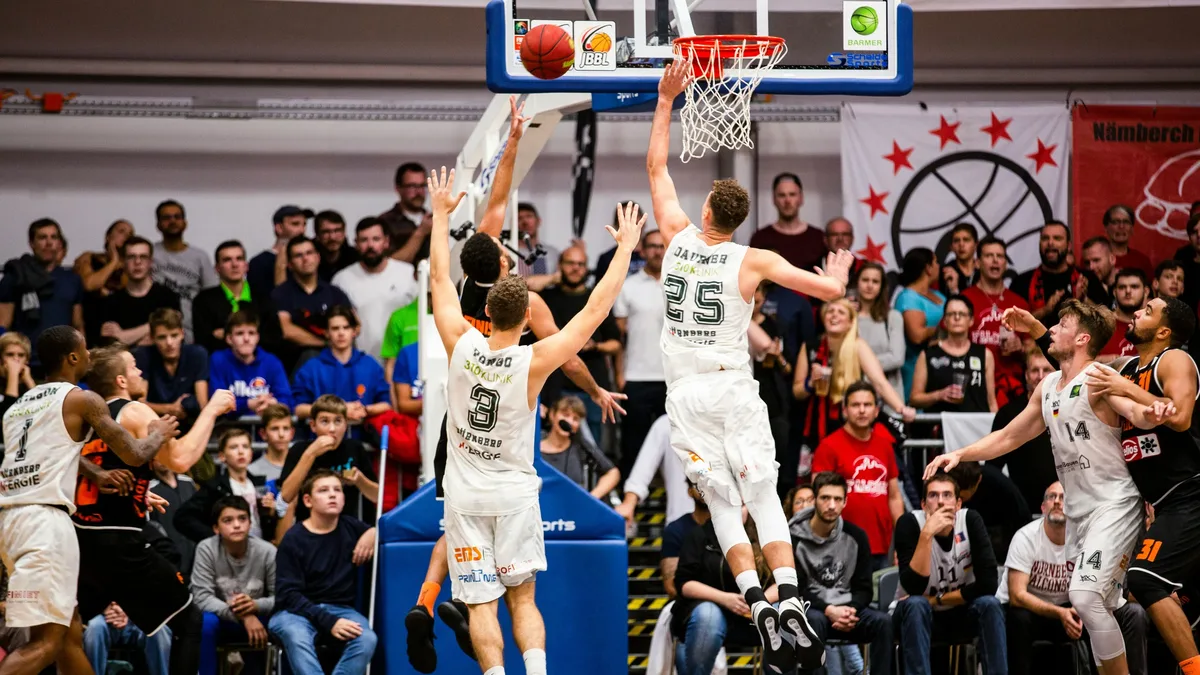
Celtics Enter Camp with Roster Spot Open After George-Brown
The Boston Celtics head into training camp with one open roster spot following a summer that saw Paul George arrive and Jaylen Brown depart via trade

Nets Add Dainja, Humrichous to Training Camp Roster
The Brooklyn Nets have signed forwards Dain Dainja and Ben Humrichous to training camp deals, with both players likely to join the G League's Long...
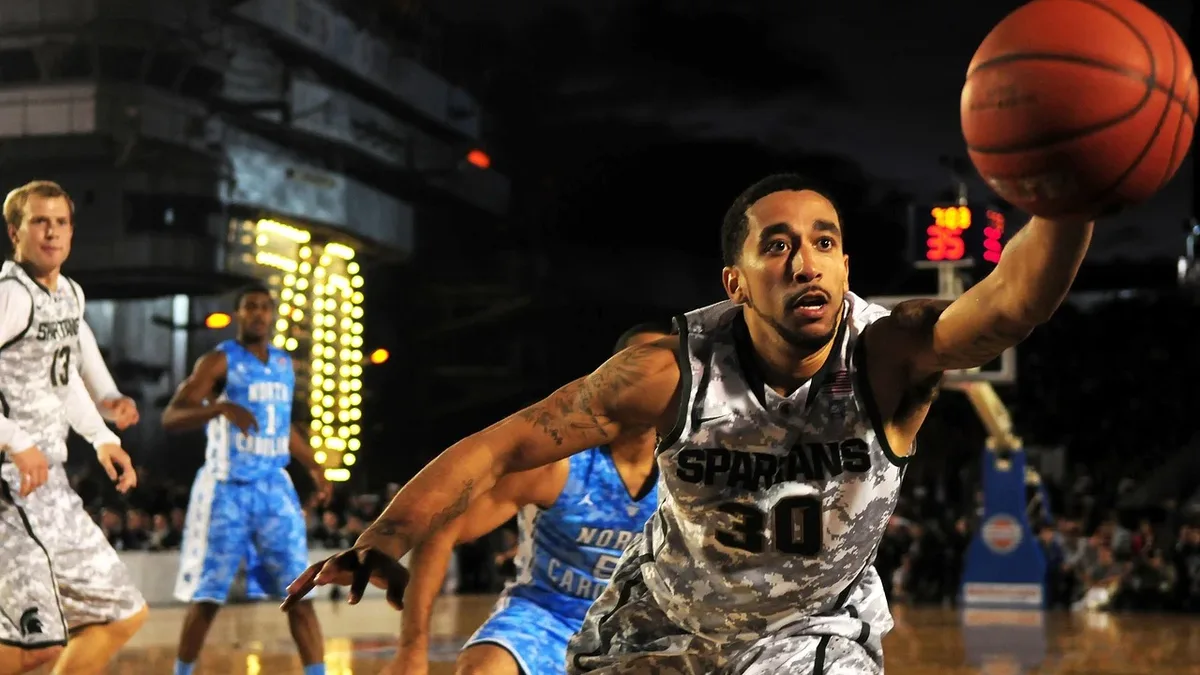
Adou Thiero's Rotation Path for Lakers
The Lakers' 2025 second-round pick Adou Thiero aims to carve out a rotation role after an injury-plagued rookie season, showing promise in Summer...
Longest-Tenured NBA GMs
NBA teams have seen significant turnover in their front offices over the past couple years, with 11 changes among the league's 30 teams since 2024.
Bronny James focuses on off-ball offense for Lakers role
Bronny James says his summer work is centered on improving his off-ball skills to complement Lakers stars Luka Dončić and Austin Reaves, as he enters...