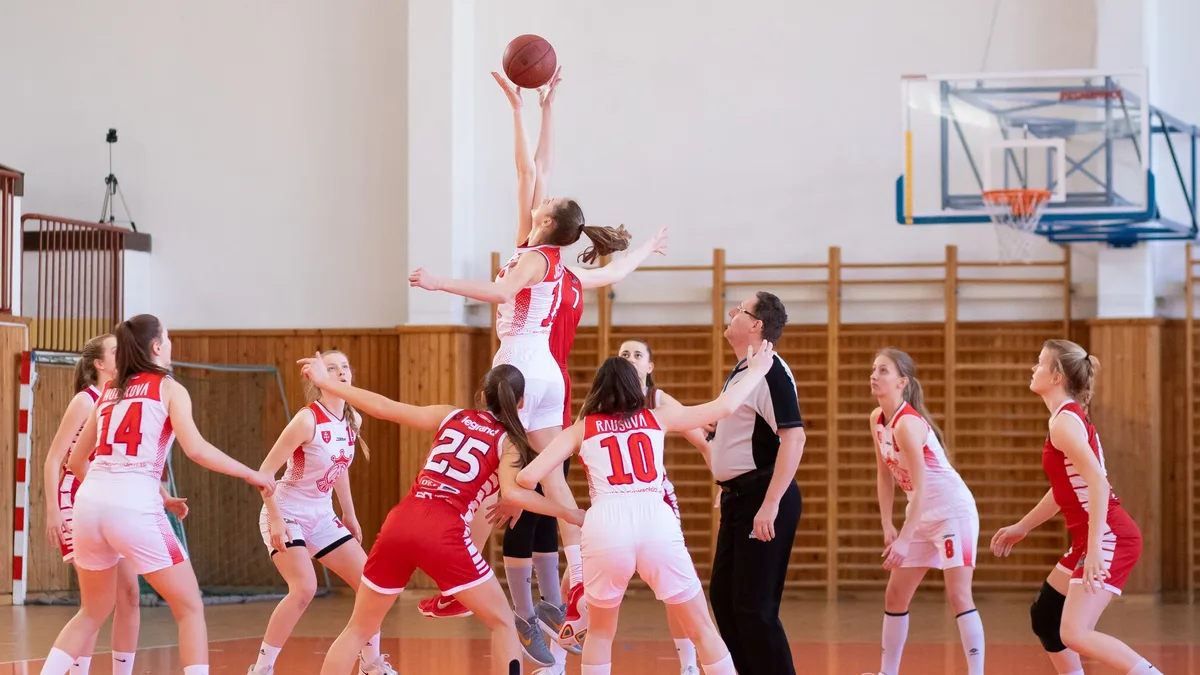
Ncaa Women'S Basketball
| Conference | Varies by season |
|---|---|
| Current season record | Varies by season |
| NCAA Tournament appearances | Varies by season |
| National Championships | Varies by season |
| Head coach | Varies by season |
| Home arena | Varies by season |
| University affiliation | University of North Carolina at Chapel Hill |
Overview
NCAA Women's Basketball refers to the organized competition of women's collegiate basketball under the governance of the National Collegiate Athletic Association in the United States. The competition is structured across three divisions, Division I, Division II, and Division III, with Division I representing the highest level of athletic and institutional commitment. Teams compete within conferences during a regular season that typically runs from early November through early March, culminating in single-elimination postseason tournaments. The NCAA Division I Women's Basketball Tournament, known as "March Madness," is the premier event that crowns the national champion. The sport operates within the academic framework of member institutions, where student-athletes must maintain eligibility standards. Its visibility and cultural significance have grown substantially, particularly since the early 21st century, driven by increased media coverage and standout athletes.
History
NCAA Women's Basketball originates from the United States, with its formal governance by the NCAA beginning in the early 1980s. Women's college basketball games were being played in organized forms as early as the late 19th century, but the Association for Intercollegiate Athletics for Women (AIAW) initially governed national championships throughout the 1970s. The NCAA first sponsored a national championship for women's basketball in 1982, a move that effectively absorbed the AIAW's role and centralized authority. The early NCAA tournaments featured 32 teams and were played in smaller venues compared to the men's event. Legendary programs like the University of Tennessee Lady Volunteers and the University of Connecticut Huskies established dynasties from the late 1980s onward, driving fan interest. The implementation of Title IX legislation in 1972 was a foundational catalyst for the sport's development by mandating gender equity in educational programs receiving federal funds.
How it works today
The NCAA Women's Basketball season is divided into a non-conference schedule, a conference schedule, and postseason tournaments. Teams play approximately 30 games in a regular season, with schedules designed to build a resume for potential postseason selection. Conference play determines a regular-season champion and seeds for the respective conference tournaments, which award automatic qualification to the NCAA Division I Tournament. The NCAA Tournament selection committee chooses 32 at-large teams to join the 32 automatic qualifiers, seeding all 64 teams into a national bracket. The tournament is played at neutral sites, with the earlier rounds at campus and regional locations and the Final Four at a predetermined major venue. The NCAA also operates national championships for Divisions II and III, each with their own selection processes and tournament structures, though with less media coverage than Division I.
What to know
The NCAA Women's Basketball Tournament has expanded its format to include 68 teams, matching the men's tournament, with "First Four" games preceding the first round. Conference affiliation is a major determinant of schedule strength, with power conferences like the SEC, Big Ten, ACC, Big 12, and Pac-12 typically receiving multiple bids to the national tournament. Player eligibility rules are strict, requiring progress toward a degree and adherence to amateurism standards, with athletes granted five years to compete in four seasons of competition. The transfer portal has dramatically altered roster construction, allowing players greater mobility between schools, which leads to significant annual roster turnover. Name, Image, and Likeness (NIL) policies now permit athletes to earn compensation through endorsements, which has become a major factor in recruiting and program competitiveness. Television contracts, notably with ESPN, have increased broadcast coverage of the regular season and exclusively cover the entire NCAA Tournament, providing substantial revenue and exposure.
Common questions
What is the difference between the NCAA Tournament and the WNIT? The NCAA Tournament is the primary national championship for Division I, while the Women's National Invitation Tournament (WNIT) is a separate postseason event for teams not selected to the NCAA field. How are teams selected and seeded for the NCAA Tournament? A committee evaluates teams based on their win-loss record, strength of schedule, performance against ranked opponents, and advanced metric rankings like the NET. Why do some women's games use a different size basketball? The official ball for NCAA women's basketball is size 6, which is slightly smaller and lighter than the size 7 ball used in the men's game, a standard based on physiological considerations. Can players declare for the WNBA draft before exhausting college eligibility? Yes, players who are at least 22 years old during the calendar year of the draft or who have completed their college eligibility are eligible to be selected. How does the academic calendar affect the season? The season is deliberately scheduled around academic breaks, with the tournament concluding before final exams at most institutions in early April. What determines a team's division? The division is determined by the institution's level of athletic scholarship funding, budget, and overall athletic department size, with Division I offering the most scholarships.
Why it matters
NCAA Women's Basketball serves as the primary developmental pathway for professional players in the United States, feeding talent into the WNBA and overseas leagues. The sport provides thousands of young women with access to higher education through athletic scholarships, particularly at the Division I and II levels. Its growth reflects and advances the broader movement for gender equity in sports, pushing for greater investment, media coverage, and institutional support. The high-profile success of programs and stars has made it a significant cultural touchstone, inspiring younger generations of athletes and contributing to the normalization of women's sports as major entertainment. The economic impact is substantial for host cities of tournament games and for universities, though it historically lags behind the men's tournament in revenue generation. The ongoing evolution of its rules, player rights, and commercial landscape makes it a critical case study in the modern collegiate athletic model.
Common misconceptions
A common misconception is that the women's game is fundamentally less athletic or competitive than the men's game, a view that ignores the distinct strategic and technical nuances, such as team-oriented offensive sets and defensive fundamentals, that define the sport. Many believe the NCAA operates the women's tournament at a financial loss, but analyses have shown it generates significant positive revenue, though its television contract value has been historically undervalued compared to the men's event. Some assume the three-point line and court dimensions differ from the men's game, but the distance has been standardized to the same 22 feet, 1¾ inches at the college level, and the court is identical in size. The idea that star players typically stay for all four years of eligibility is increasingly outdated, as early entry to the WNBA draft and transfer portal mobility have made roster continuity more rare. Another error is conflating all divisions, as the athletic experience, scholarship availability, and level of play between Division I and Division III are vastly different. Finally, the belief that Title IX mandates equal funding for men's and women's sports is a simplification; it requires equal opportunity and treatment, which can lead to different budgetary allocations based on program-specific needs and revenue.
Latest Ncaa Women'S Basketball news
Latest reporting
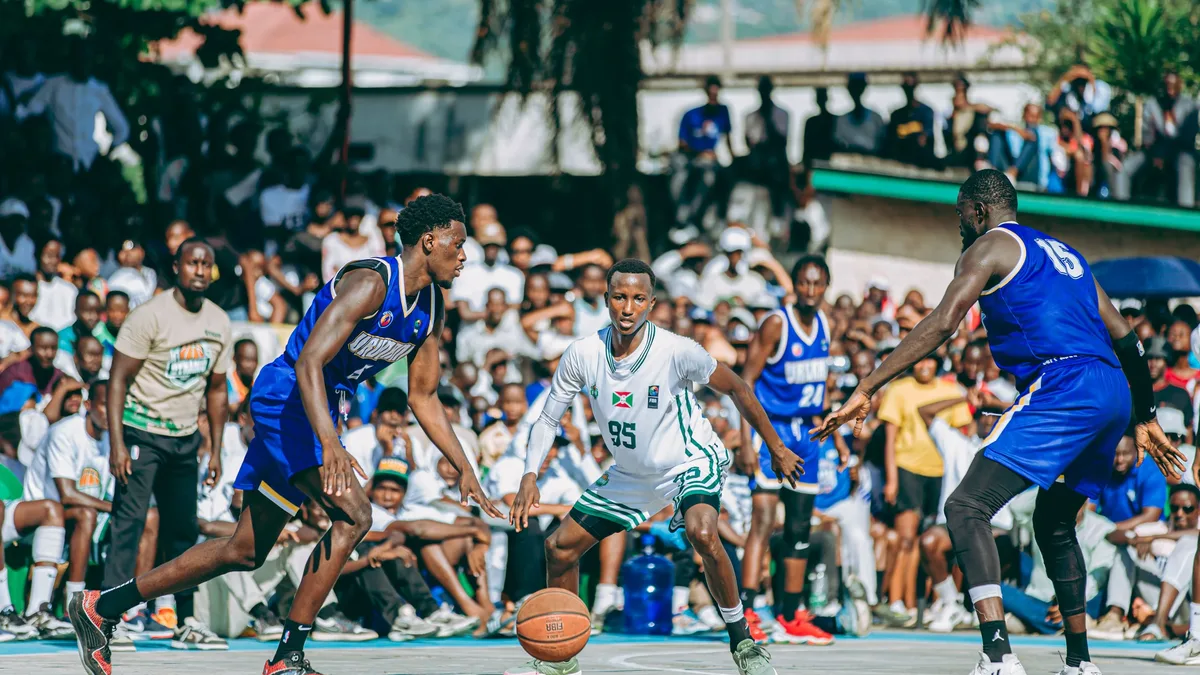
The Run Wave One DLC adds 2000s legends in free update
The Run's free Wave One DLC launches tomorrow, adding five iconic 2000s NBA players and a vintage hip-hop soundtrack to the basketball game, with an
Yahoo High Score Fantasy Basketball Draft Strategy 2026-27
Yahoo's High Score format for the 2026-27 NBA season radically alters player value, emphasizing steals, blocks, and assists while devaluing rebounds
Trey Kaufman-Renn wins court order, may
Purdue forward Trey Kaufman-Renn, drafted 59th by Minnesota in 2026, has won a temporary restraining order against the NCAA, potentially allowing him...
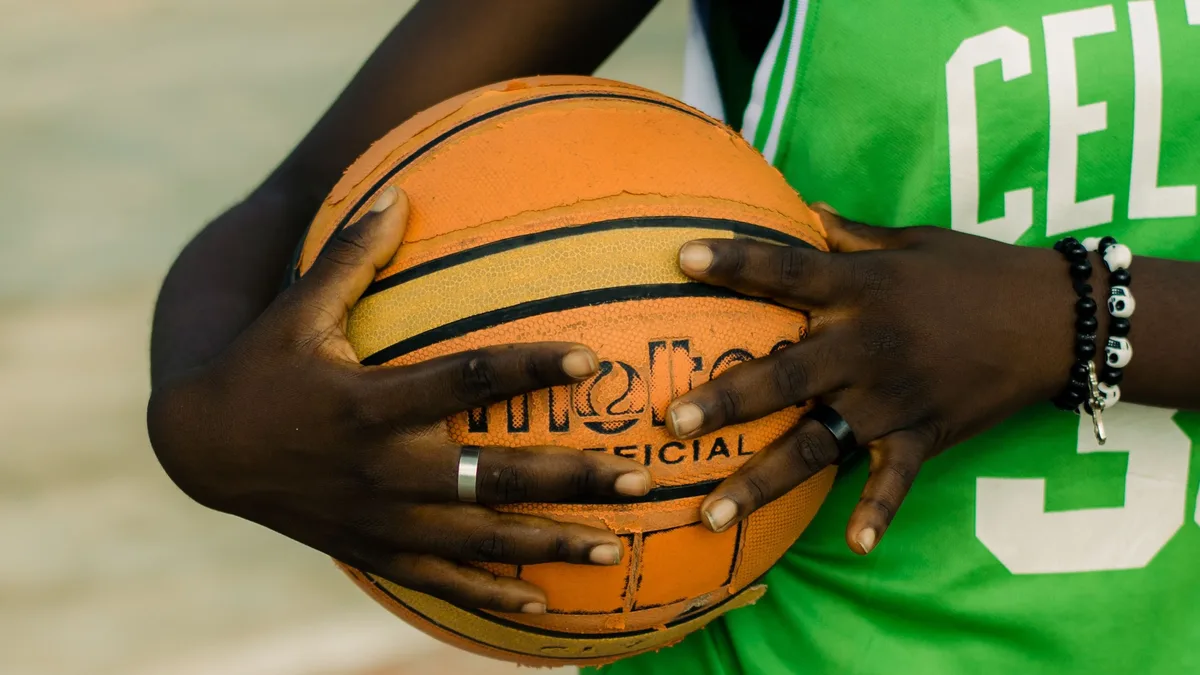
Jaylen Brown's favorite season context fuels Sixers outlook
Jaylen Brown called the 2025-26 season his favorite basketball career year despite the Celtics' first-round exit, citing the team's underdog journey...
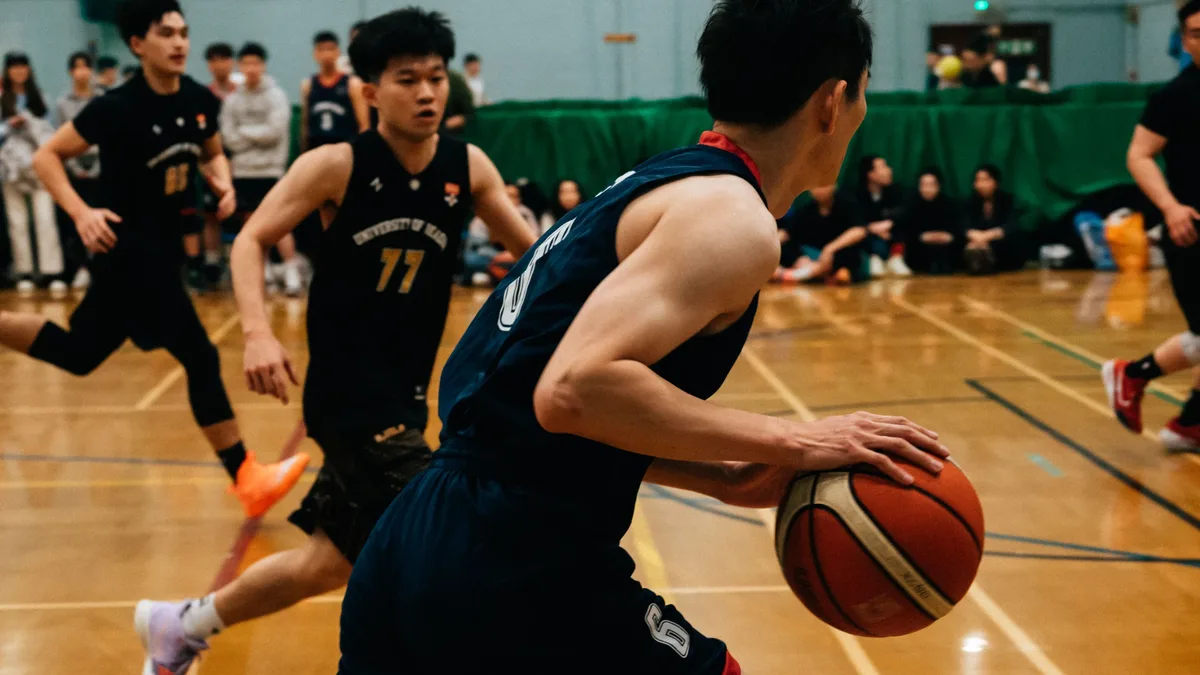
Scouts Watch Dash Daniels at NBL Blitz; Luke Travers Wins
NBA scouts attended the NBL Blitz to watch 2027 draft prospect Dash Daniels. Luke Travers was named MVP as Melbourne United won the preseason...

Corey Brewer hired as Arkansas State
Former NBA player and Pelicans assistant Corey Brewer has been hired as an assistant coach at Arkansas State. Other basketball notes include Sekou...