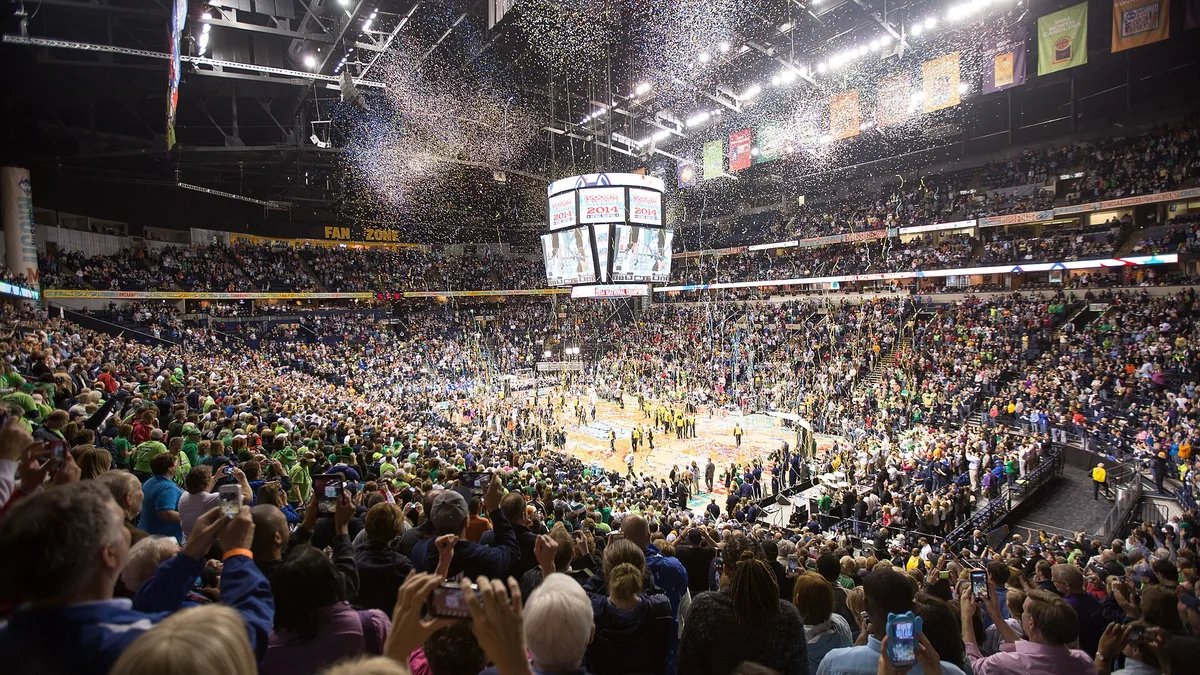
Women'S Ncaa Tournament
| Tournament name | NCAA Division I Women's Basketball Tournament |
|---|---|
| Number of teams | 68 |
| Format | Single-elimination bracket |
| Determines | National champion |
| Season | March to April |
| Selection method | Automatic bids and at-large selections |
| First held | 1982 |
Origin and history
The Women's NCAA Tournament originates in the United States. It was created in the early 1980s as the national championship tournament for Division I women's college basketball. The first officially sanctioned NCAA women's basketball tournament was held in the 1981-82 season. This followed a period of championship governance by the Association for Intercollegiate Athletics for Women (AIAW), which ran its own national tournament throughout the 1970s. The NCAA's assumption of control marked a significant shift in the administration and visibility of women's collegiate sports. The tournament's format and size have expanded considerably since its inception to include more teams and rounds.
What it is for
The Women's NCAA Tournament exists to crown a national champion in Division I college basketball. It serves as the culminating event of the women's college basketball season, determining a single winner from a field of 68 teams. The tournament provides a structured, single-elimination playoff framework for teams that have qualified through their regular season and conference tournament performances. It functions as the primary national showcase for the sport, highlighting elite student-athletes and programs. The event also establishes the official historical record for a given season's competitive hierarchy. Its results directly influence final season standings, coaching legacies, and program recognition.
Pros and cons
A primary pro is that the tournament offers a definitive, high-stakes platform to determine a national champion, creating memorable moments and narratives. It provides massive exposure for women's sports, with television coverage and media attention that have grown substantially. The single-elimination format generates inherent drama and unpredictability, where any team can win on a given day. A significant con is the tournament's historical and ongoing issue with equitable resources and visibility compared to the men's tournament, a disparity publicly highlighted in the 2020s. The bracket structure can sometimes lead to a national champion that was not the season's most consistently dominant team, which some regret as it discounts regular season achievement. A common mistake by casual observers is to evaluate the strength of women's college basketball solely based on a few perennial powerhouses, overlooking the tournament's role in demonstrating the sport's deepening competitive depth.
Who it suits
The tournament suits elite athletic programs with deep rosters and experienced coaching, built to withstand the physical and mental demands of up to six consecutive high-pressure games. It also suits underdog programs from smaller conferences that earn automatic qualification, providing them a rare national stage to challenge top seeds. The event suits fans who enjoy narrative-driven, win-or-go-home drama and the concentrated excitement of March. It suits television networks and corporate sponsors seeking a highly engaged audience during a specific period of the sports calendar. The tournament suits players who thrive in high-pressure, spotlight environments and whose skills are amplified by single-elimination stakes. It suits the NCAA itself by providing one of its most prominent and commercially successful championship events.
Latest Women'S Ncaa Tournament news
Latest reporting
Trey Kaufman-Renn wins court order, may
Purdue forward Trey Kaufman-Renn, drafted 59th by Minnesota in 2026, has won a temporary restraining order against the NCAA, potentially allowing him...
Scouts Watch Dash Daniels at NBL Blitz; Luke Travers Wins
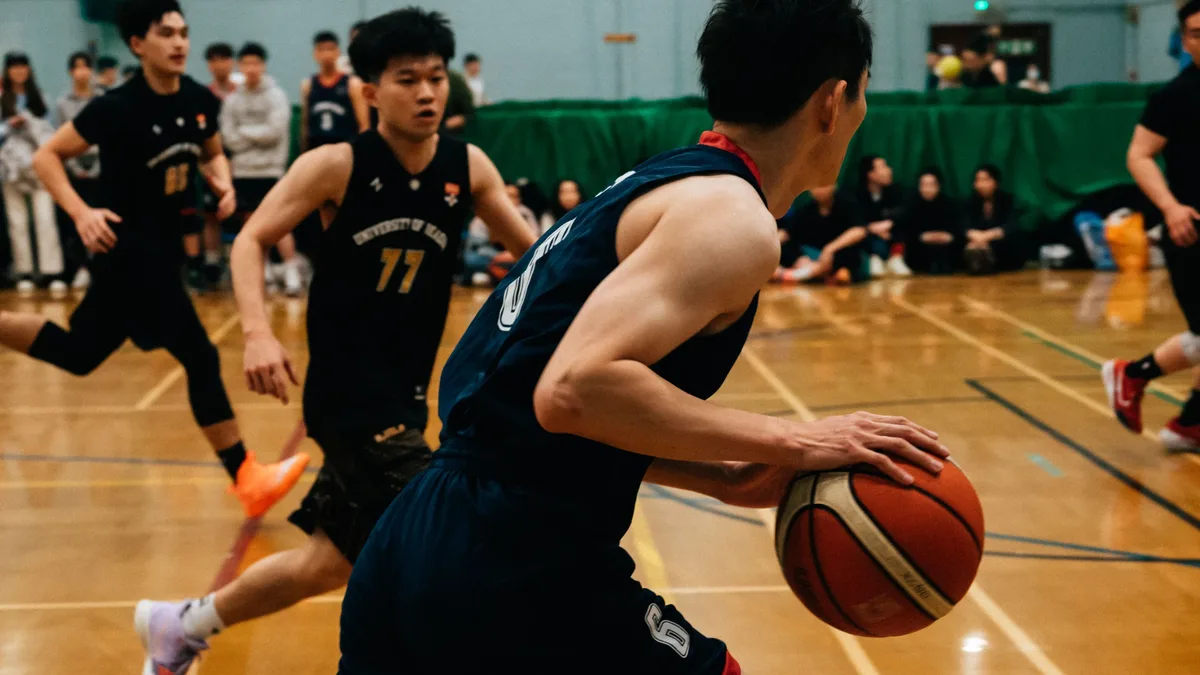
NBA scouts attended the NBL Blitz to watch 2027 draft prospect Dash Daniels. Luke Travers was named MVP as Melbourne United won the preseason...

Corey Brewer hired as Arkansas State
Former NBA player and Pelicans assistant Corey Brewer has been hired as an assistant coach at Arkansas State. Other basketball notes include Sekou...
Geno Auriemma Says College Sports Is 'Dying'
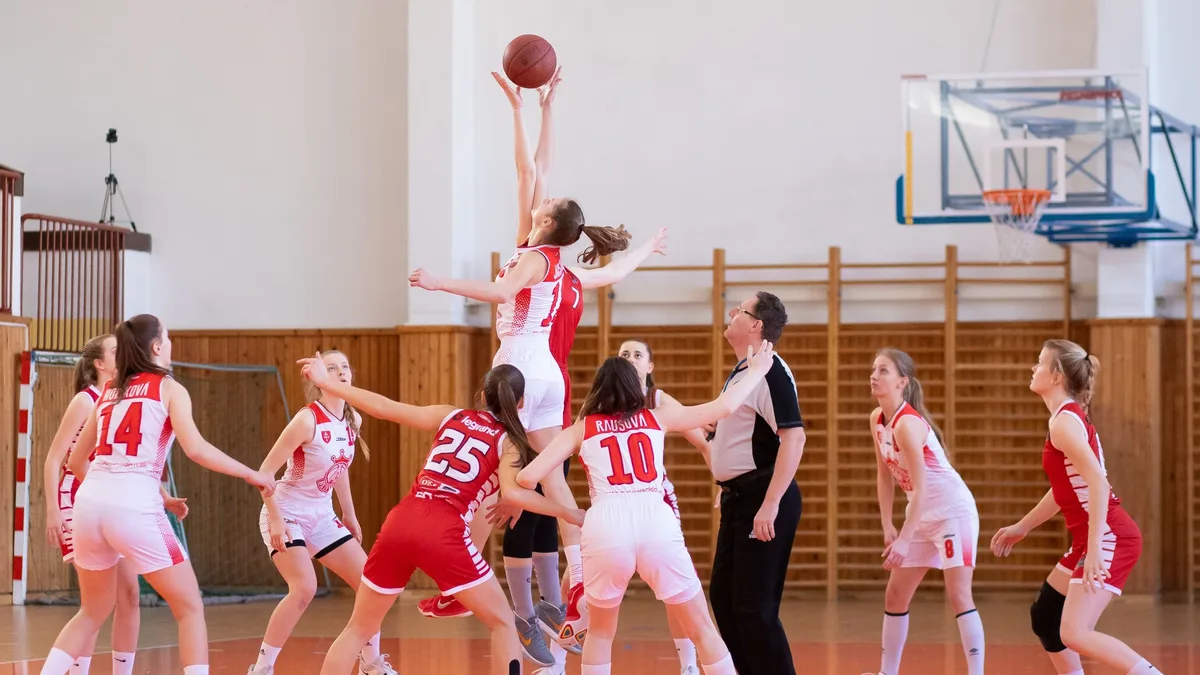
UConn women's basketball coach Geno Auriemma, in a Yahoo Sports interview, declared college sports is dying due to constant lawsuits, transfer portal

Trey Kaufman-Renn Files For Sixth NCAA Year
Former Purdue forward Trey Kaufman-Renn has filed a court motion seeking a sixth year of college eligibility, arguing new NCAA rules unfairly exclude...
RJ Luis Cleared To Play For LSU After Judge's Ruling
A judge granted RJ Luis a temporary injunction, allowing him to potentially play for LSU in 2026/27 despite NCAA opposition. The 23-year-old former...